

There was a time when sustainability sat at the edge of business decisions. It lived in reports, strategy decks, and annual statements. It mattered, but it rarely shaped how deals were actually done.
That line has disappeared.
Today, sustainability shows up much earlier. It influences whether a transaction moves forward, how assets are valued, and who is willing to engage. It is no longer something you consider. It is something that quietly determines access.
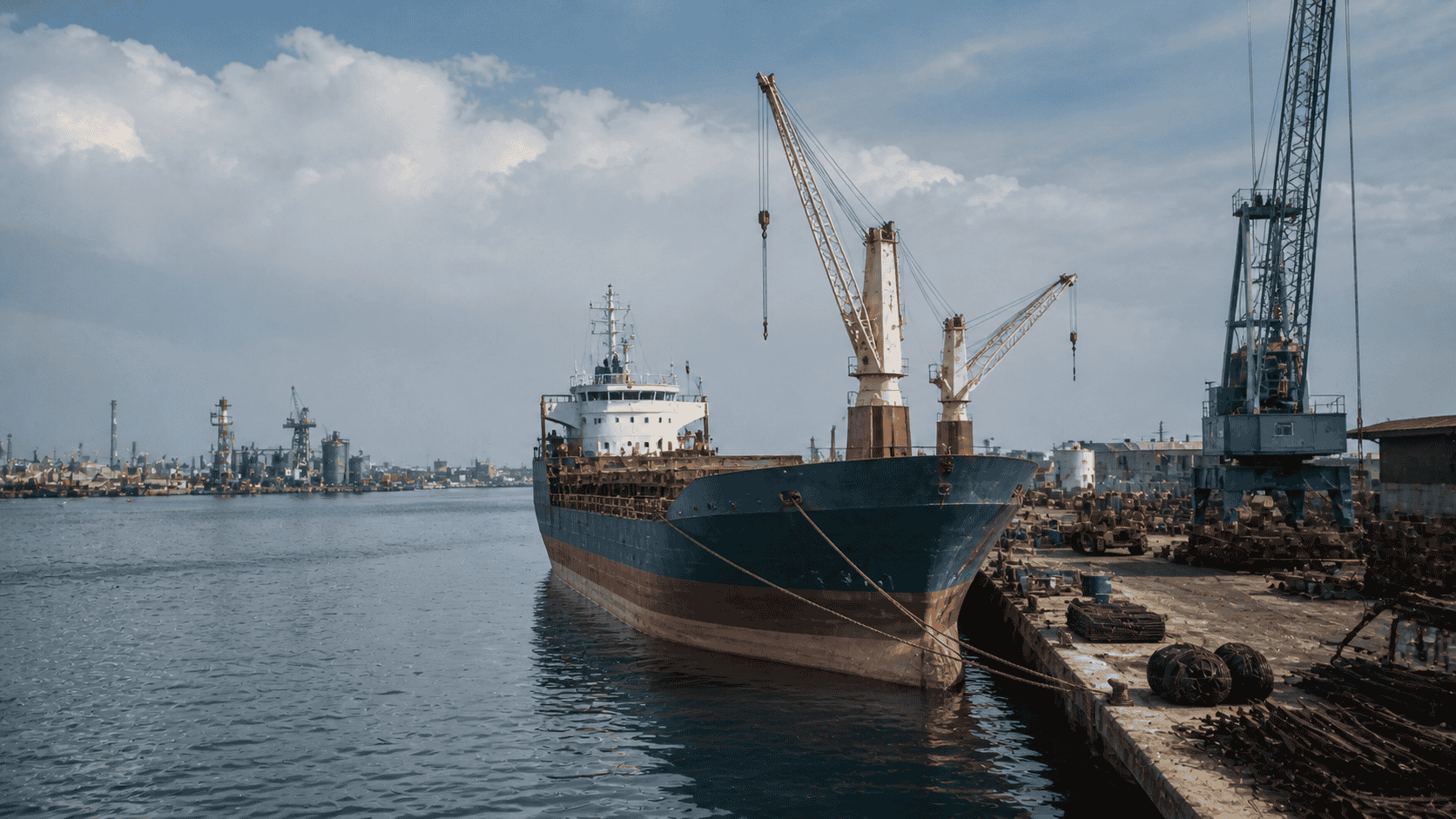
How financing is changing
Lenders are asking different questions now. Not just about performance, but about lifecycle. Where did the asset come from? How has it been maintained? What happens when it reaches the end of its useful life?
This is not theoretical pressure. Institutions aligned with frameworks influenced by the International Maritime Organization are expected to account for environmental impact across the full lifecycle of assets. That expectation moves through the system. From regulators to financiers, from financiers to operators, and into the decisions made on the ground.
Insurance follows a similar path. Risk is no longer limited to operations. Environmental exposure now carries weight. Poor end-of-life handling is not just a reputational concern. It becomes a financial one.
Buyers are asking better questions
Serious buyers are more selective. Not necessarily because they want to be, but because they have to be. They are under pressure from their own stakeholders, their own financiers, their own markets. So they ask better questions. They expect clearer answers.
That changes how transactions feel.
What used to move on relationships and speed now slows down under scrutiny. Deals pause. Information gets requested late. Terms shift because something was unclear earlier. Not because people are unwilling. Because the system now demands clarity.
Where the real shift sits
Sustainability is not adding complexity for the sake of it. It is exposing where structure is missing.
If information is incomplete, it shows up. If asset history is unclear, it gets questioned. If end-of-life plans are vague, it affects confidence. And confidence, in this market, is everything.
You can already see the direction of travel. The Hong Kong International Convention for the Safe and Environmentally Sound Recycling of Ships is moving towards full enforcement, aiming to standardise how vessels are recycled globally. Alongside it, frameworks like the EU Ship Recycling Regulation are already influencing where vessels can be processed and under what conditions.
On paper, the industry is becoming more structured. In practice, it is still catching up.
Assets continue to move through informal channels. Listings lack detail. Decisions are made late, often under pressure. The result is a gap between what is expected and what is actually available.
That gap is where time is lost. It is where value drops. It is where deals quietly fall apart.
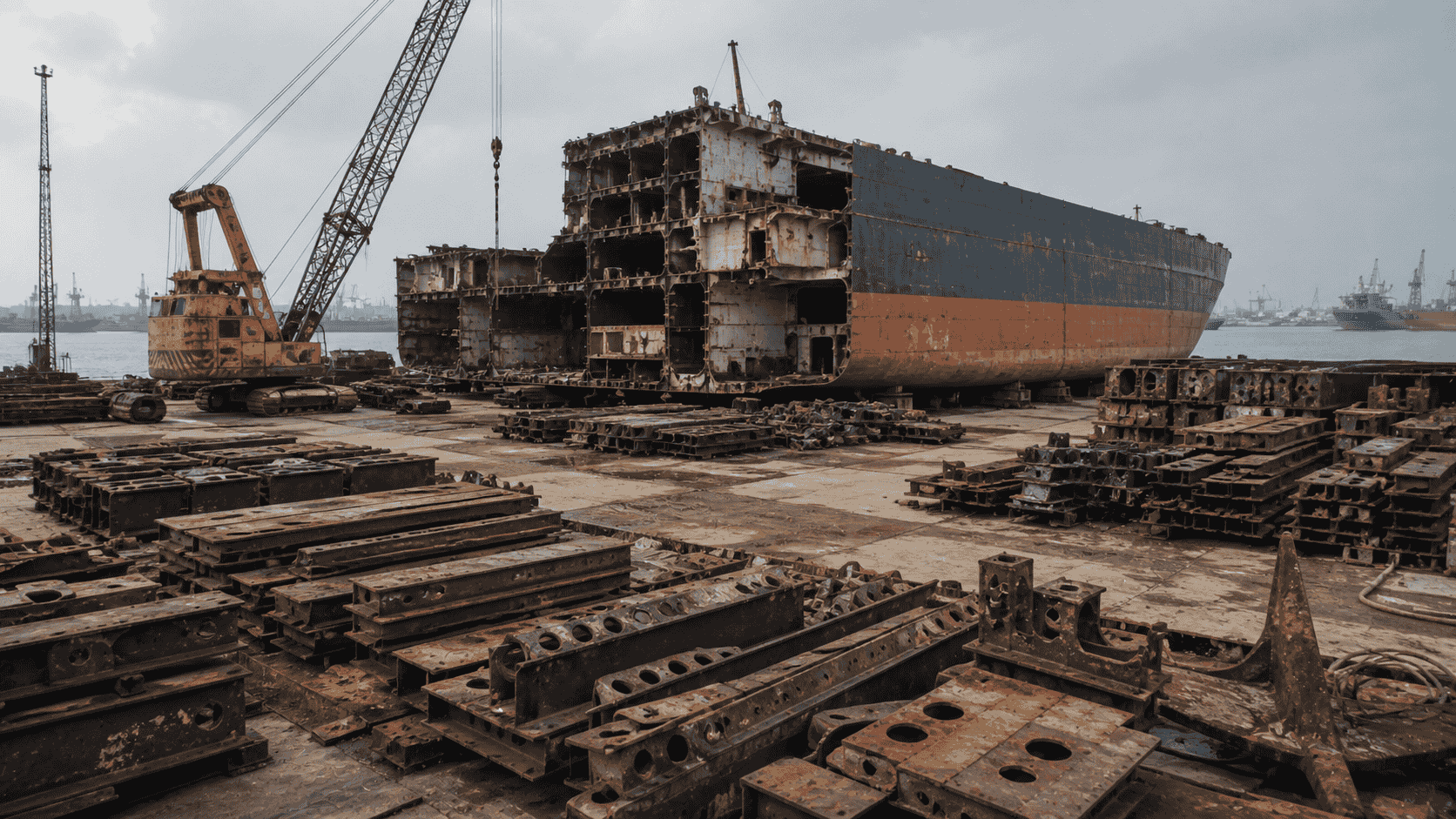
What this means in real terms
Sustainability is no longer a separate conversation. It is embedded in how assets are bought, sold, financed, insured, and ultimately handled at the end of their life.
It means that clarity is becoming a competitive advantage. Not scale. Not noise. Not visibility for its own sake.
The ability to present an asset properly. The ability to answer questions early. The ability to remove uncertainty before it becomes friction. That is what allows transactions to move.
Over time, that is what will separate serious operators from the rest.
The shift is already happening. Quietly, but consistently. Those who recognise it early will move with it. Those who do not will find that things simply take longer, cost more, and close less often.
That is where sustainability has landed. Not as a message. As a requirement.